Up to 10% Off Select Skip Bins - This Month Only
Up to 10% Off Select Skip Bins - This Month Only
Up to 10% Off Select Skip Bins - This Month Only
Up to 10% Off Select Skip Bins - This Month Only

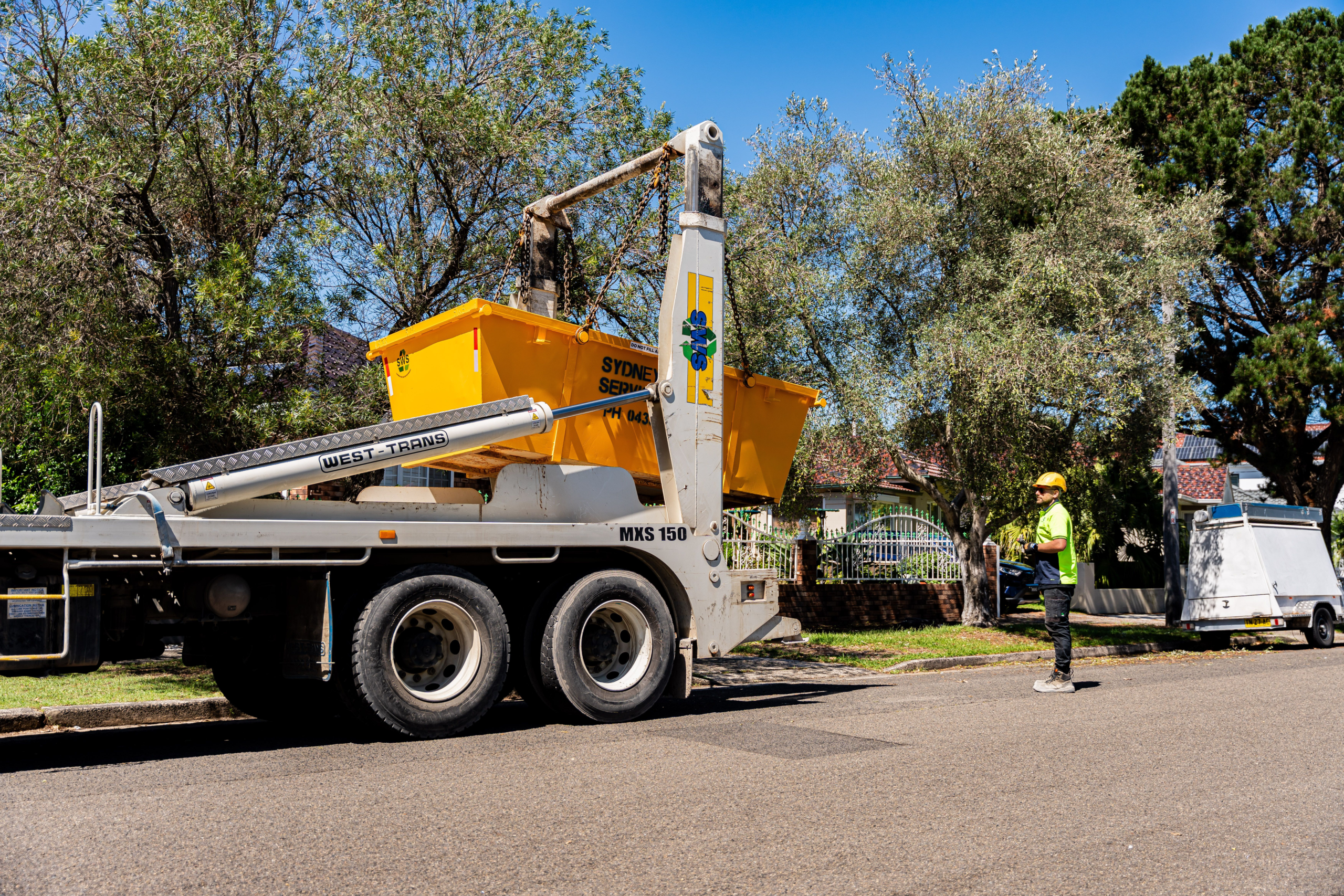
Booking a skip bin should be the simple part of any project, but the moment you’re asked what size you need, a little uncertainty tends to creep in. You look at the options, try to picture how much waste your job will actually produce, and realise you’re essentially guessing. Choose too small and you’re in trouble halfway through. Choose too big and you’ve paid for space you never used. It’s a surprisingly easy decision to get wrong, and getting it wrong always costs you something.
The good news is that picking the right size isn’t really guesswork once you know how to approach it. With a bit of thought about the scale of your job, an understanding of what different sizes suit, and awareness of a few factors people commonly overlook, you can get it right the first time and avoid the frustration and expense of a bad call. Here’s a practical guide to choosing the right skip bin size, so you book with confidence rather than crossing your fingers and hoping.
It’s worth understanding exactly why the size matters so much, because the consequences of getting it wrong fall in both directions. Choose a bin that’s too small and you hit a wall partway through your project, either forced to hire a second bin, which means paying twice and waiting again, or tempted to overfill the one you have. Overfilling isn’t a solution, since waste has to stay below the rim for the bin to be safely collected, and an overfilled bin simply can’t be taken away until it’s brought back within the limit. Either way, undersizing turns into extra cost and delay.
Go too far the other way and choose a bin much larger than you need, and you’ve paid for capacity you never use. You’re covering the cost of all that empty space for no benefit, which is money that could have stayed in your pocket. The aim is the sweet spot, a bin comfortably big enough for your waste with a little room to spare, but not so large that you’re paying for air. Finding that balance is what choosing the right size is all about, and it’s entirely achievable once you approach it methodically rather than by gut feel.
The foundation of getting the size right is estimating how much waste your project will actually generate, and while you don’t need to be precise, a realistic sense of the volume makes all the difference. Start by thinking honestly about the scale of the job. Is this a small clear-out, a single-room renovation, a whole-house project, or a major build? The bigger and more involved the job, the more waste it produces, and often more than people expect.
It helps to use rough reference points to picture the volume. Skip sizes are commonly described in terms of how many wheelbarrow loads they hold, which is a genuinely useful way to visualise capacity, since most people can picture a wheelbarrow far more easily than an abstract measurement. Think about roughly how many barrow loads of waste your job might create, and you start to get a tangible sense of the size you need. The key is to be realistic rather than optimistic, because waste has a habit of adding up faster than anticipated once you actually start filling the bin. A little honesty at this stage, erring toward slightly more than you first imagine, sets you up to choose well.
One of the most useful ways to narrow down your choice is to match the size to the kind of project you’re doing, since different jobs reliably suit different size ranges. Smaller bins tend to suit modest jobs like a garage clean-out, garden and green waste, or minor DIY. Mid-range bins work well for things like a bathroom renovation, a household clean-up, or a small to medium renovation project. Larger bins are geared toward major renovations, bigger clean-outs, deck or shed removals, and larger construction or demolition work.
Thinking in terms of your project type rather than abstract volume makes the decision much more intuitive, because you can match your actual job to the kind of work a given size is designed for. Understanding skip bin sizing in relation to real projects like these takes much of the guesswork out of it, letting you find the size that fits the scale of what you’re actually doing. If your job sits somewhere between two categories, that’s useful information too, since it tells you roughly where your needs fall and points you toward the right part of the range. Grounding the decision in the type of project, rather than trying to calculate exact volumes, is often the most practical route to the right choice.
Volume and project type get you most of the way, but there are a few factors people commonly overlook that can affect your choice, and being aware of them helps you avoid surprises. The first is that waste is often bulkier than expected. Items like furniture, bulky household goods, and awkwardly shaped materials take up far more room than their weight suggests, so a job with lots of bulky items may need more capacity than the amount of waste would imply. Factor in bulk, not just quantity.
Weight is another consideration, especially with heavy materials. Bins have weight limits, and dense materials like soil, concrete, and rubble reach those limits quickly, sometimes well before the bin looks full. Heavy waste often needs to be booked differently from general waste for exactly this reason, so it’s worth being mindful of what you’re throwing in. Finally, think about access and space. You need somewhere suitable for the bin to sit and enough clearance for it to be delivered and collected, so the practicalities of placement matter alongside the size itself. Keeping these factors in mind means your choice accounts for the full picture, not just a rough volume estimate, and helps you avoid the less obvious pitfalls.
If, after all this, you’re still hovering between two sizes and genuinely unsure, there’s a simple rule that serves most people well: when in doubt, go one size up. The reasoning is straightforward once you weigh the two risks against each other. Running out of space in a bin that’s too small is a real problem, leading to a second hire or waste you can’t fit, whereas having a little extra room in a slightly larger bin is barely an inconvenience at all. The downside of sizing up is minor, while the downside of sizing down can genuinely disrupt your job.
The maths tends to favour the larger option too, since the cost of going up one size is usually far less than the cost and hassle of hiring a second bin when the first proves too small. Given that waste so often exceeds expectations, that extra bit of capacity frequently turns out to be exactly what you needed anyway. And you don’t have to make the call entirely alone, since a good waste provider deals with these decisions every day and can help you judge the right size for your particular job if you’re unsure. Choosing the right skip bin size the first time comes down to estimating honestly, matching the size to your project, keeping the overlooked factors in mind, and leaning toward slightly larger when in doubt. Get those right and you’ll book with confidence, avoid the cost of a wrong call, and get on with the job knowing your bin is exactly what you need.
Rising fuel prices and waste disposal costs have increased the cost of our services. Rather than increasing our bin hire prices, we've introduced a small 4.5% surcharge to help cover these additional expenses.
We may review or remove this surcharge as costs stabilise.
Thank you for your understanding and for supporting a local Sydney business.