Up to 10% Off Select Skip Bins - This Month Only
Up to 10% Off Select Skip Bins - This Month Only
Up to 10% Off Select Skip Bins - This Month Only
Up to 10% Off Select Skip Bins - This Month Only

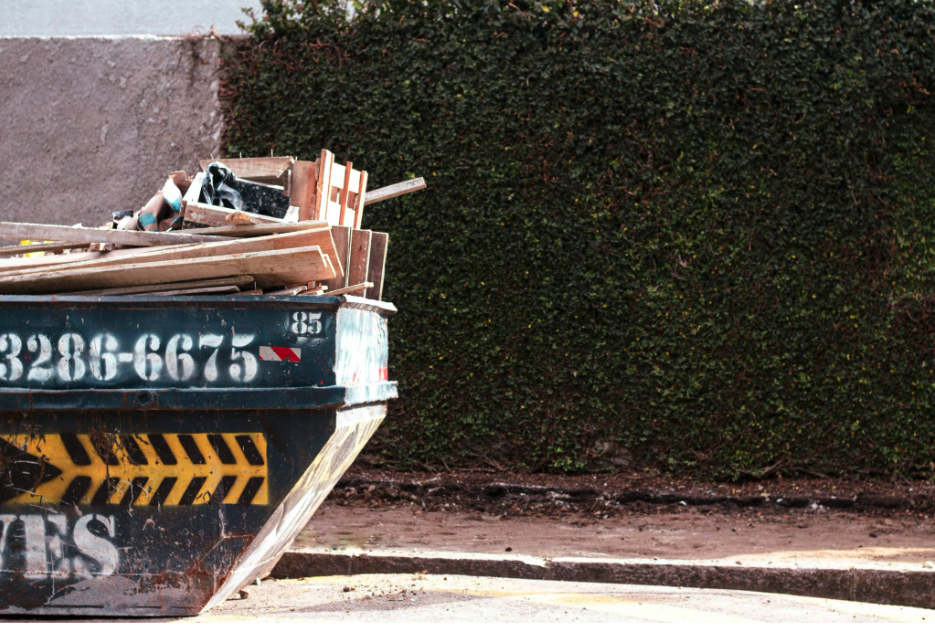
The skip bin sitting in the driveway looks like it should accept anything. It’s a large steel container with an open top, and the instinct is to treat it as a destination for whatever the project generates without much further thought. That instinct serves well for most of what a renovation, cleanout, or garden project produces. It runs into problems with a specific category of items that don’t behave the way common sense suggests they should, and those problems tend to announce themselves at the worst possible moment: mid-project, when the bin is half full and someone has just put something in it that needs to come back out.
The surprises cut in both directions. Some things that most people assume are fine turn out to be prohibited, and their inclusion creates a problem for the collection and sometimes an additional cost for the hire. Other things that most people assume are prohibited turn out to be perfectly acceptable, and not knowing this means the skip bin is being underutilised as a waste solution while the homeowner makes separate arrangements for items that could have gone straight in. Understanding both categories before the bin is delivered is what makes the difference between a hire that runs smoothly and one that produces friction at the point it’s least welcome.
The materials that can’t go in a standard skip bin fall into predictable categories when you understand the reason behind the restriction, and the reason in almost every case is that the item requires a disposal pathway that a standard recycling and waste facility isn’t equipped to handle.
Fibro cement sheeting is one of the most commonly misloaded items in skip bins, and it’s also one of the most serious. Fibro, which was used extensively in Australian residential construction through much of the twentieth century, frequently contains asbestos fibres that become hazardous when the material is cut, broken, or disturbed. The visual similarity between fibro and modern non-hazardous cement sheeting means it’s regularly loaded into skip bins by people who either don’t recognise what it is or who have checked it and found no obvious signs of deterioration. Fibro requires an asbestos-specific disposal pathway regardless of its apparent condition, and a standard skip bin isn’t that pathway.
Old insulation is another item that looks like harmless building material and isn’t. Insulation installed in Australian homes prior to the mid-1980s may contain asbestos fibres in various forms, and even insulation without asbestos content often contains synthetic materials that require specialist handling rather than standard waste processing. New insulation in its original sealed packaging is a different matter entirely and is accepted.
Gas bottles and oil heaters are excluded because they contain or have contained pressurised flammable material, and the handling, transport, and processing of skip bin loads at the facility involves equipment and conditions that aren’t appropriate for pressurised containers. A gas bottle that looks empty isn’t necessarily empty in the way that matters for safe disposal, and it doesn’t belong in a skip bin regardless of its apparent condition.
Chemicals of any kind, including paint, solvents, cleaning products, and garden chemicals, require disposal through a hazardous waste pathway rather than standard waste processing. The liquid content and the chemical compounds involved both present problems at a standard facility that the exclusion is designed to prevent. Liquid waste more generally, including food waste and anything in liquid form, is excluded for the same reason.
Fire extinguishers contain pressurised contents and require specialist disposal. Fiberglass roof sheeting presents respiratory hazard risks similar to other fibrous materials and can’t be processed safely at a standard facility.
The surprise with soil, concrete, and other heavy materials isn’t that they’re excluded from skip bins. They’re not. The surprise is that they’re priced differently from general waste and need to be booked as a separate waste type, and discovering this after a general waste bin has been half-filled with soil creates a situation that affects both the cost of the hire and the integrity of the load.
Soil is heavier per cubic metre than almost any other waste type a residential project generates. A bin that’s a third full of soil may already be approaching its weight limit, even though it looks largely empty by volume. A general waste bin that’s loaded with soil exceeds its weight capacity in the same way but also carries waste it was priced for differently, which results in overweight charges on top of the pricing correction that the wrong waste type selection requires.
Concrete and bricks behave the same way. They’re accepted, they’re useful to dispose of via skip bin, and they need their own bin booked at the soil or heavy materials rate rather than being mixed into a general waste load. The pricing difference between a general waste bin and a soil or heavy materials bin reflects the weight the bin will carry and the processing requirements at the facility, not a penalty for the material type.
The practical implication is that projects generating both general renovation waste and significant quantities of soil, concrete, or rubble are better served by two appropriately specified bins than by a single general waste bin that ends up carrying materials it wasn’t specified for. The total cost of two correctly specified bins is almost always less than the total cost of a single incorrectly specified bin plus the overweight and waste type correction charges that follow collection.
The other side of the surprise equation is the category of items that most people arrange separate disposal for because they assume they’re prohibited, when they’re not.
Electronics are one of the most consistent examples. Old televisions, computers, monitors, printers, and other electronic items are accepted in a standard general waste skip bin, and the people who make separate trips to e-waste collection points because they assumed the skip bin couldn’t take them are arranging an extra step that the bin would have handled. If the project is generating electronics alongside other waste, they can go straight in.
White goods including old fridges, washing machines, dishwashers, and dryers are accepted. The assumption that white goods require special collection or separate disposal arrangements is understandable given that council kerbside collection treats them differently from general rubbish, but a skip bin handles them without complication.
Green waste including garden clippings, pruned branches, grass cuttings, and small tree logs is accepted in a general waste bin. The assumption that green waste needs to go in the council green bin or be separately composted doesn’t apply to skip bin hire, where garden waste is a standard component of many residential load types.
Clothes, shoes, and fabrics are accepted, which surprises people who are clearing out wardrobes and assumed textiles needed to go to charity or a textile recycling bin rather than a skip. Items that are genuinely wearable and in good condition are better donated, but the skip bin handles what isn’t without any complication.
For a complete picture of what waste we accept before loading begins, reviewing the full accepted and not accepted list confirms exactly what the project’s waste profile looks like against what the bin can handle, which removes the uncertainty that causes most of the avoidable problems.
The skip bin experience that runs without complications from delivery to collection is almost always one where the homeowner spent a brief moment understanding what was and wasn’t going in before anything was loaded. Not because the list is complicated, but because the items that cause problems are consistent and specific enough that knowing them in advance removes any possibility of encountering them as a surprise mid-project.
The fibro that gets identified before the bin arrives can be quoted for separately with the appropriate asbestos bin. The soil that gets recognised as a separate booking requirement produces a correctly specified load rather than an overweight general waste correction. The electronics and white goods that were going to be set aside for a separate collection trip can go straight in, which simplifies the project rather than adding an extra step to it.
None of this requires significant research or specialist knowledge. It requires the same two minutes of preparation that most people apply to every other logistical decision in a project and skip when it comes to what goes in the bin. The project that applied those two minutes to this question runs from start to finish without the bin-related friction that avoidable misunderstandings create.
Rising fuel prices and waste disposal costs have increased the cost of our services. Rather than increasing our bin hire prices, we've introduced a small 4.5% surcharge to help cover these additional expenses.
We may review or remove this surcharge as costs stabilise.
Thank you for your understanding and for supporting a local Sydney business.