Up to 10% Off Select Skip Bins - This Month Only
Up to 10% Off Select Skip Bins - This Month Only
Up to 10% Off Select Skip Bins - This Month Only
Up to 10% Off Select Skip Bins - This Month Only

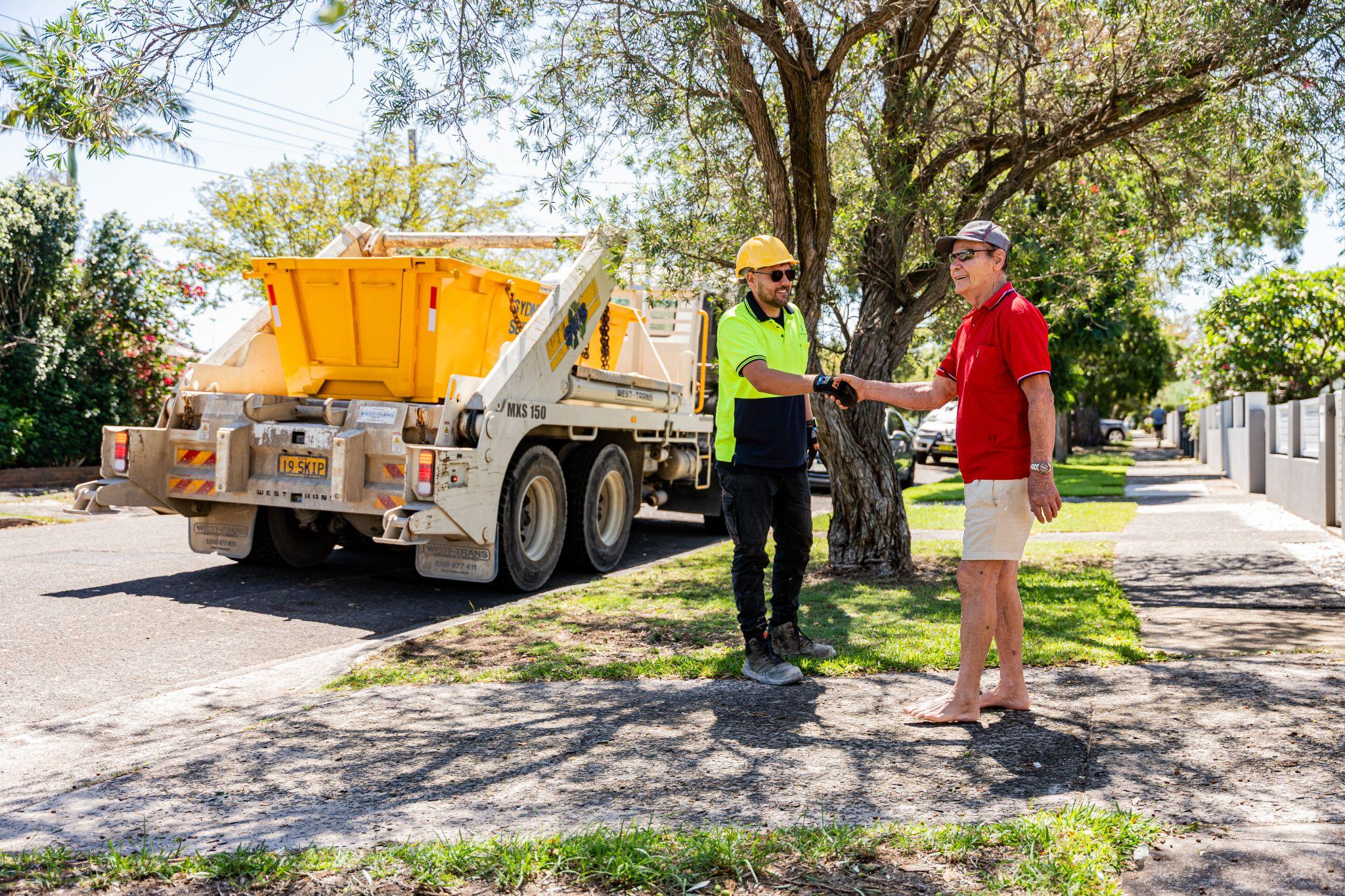
Most people booking a skip bin in Sydney are focused on size and price, which are reasonable starting points but not the whole picture. The variables that determine whether a waste provider actually delivers a good experience sit behind those two factors, and they’re not visible from a booking page. They become visible once the project is underway and the service either performs as expected or quietly creates problems that weren’t anticipated at the time of booking.
The Sydney skip bin market has providers operating across a wide range of standards, and the differences between them tend to show up in the same places every time. Pricing that changes after commitment. Deliveries that don’t arrive when promised. Collections that get delayed when the project needs to close. Understanding what separates providers who get these things right from those who don’t is useful before making a booking rather than after something has already gone wrong.
The most consistent source of frustration in skip bin hire is discovering charges after the bin has been collected that weren’t disclosed at the time of booking. Excess weight fees, delivery surcharges, extended hire costs, and additional item charges all have legitimate reasons to exist as part of a pricing structure. What creates problems is their absence from the initial quote and their appearance on the final invoice.
A provider whose pricing is published clearly for every bin size and waste type, including what the weight allowance is and what the excess weight charge is if that allowance is exceeded, gives customers the information they need to budget accurately before committing to anything. That transparency is a signal that the provider’s business model doesn’t depend on revenue from charges customers didn’t expect, which tends to correlate with the overall standard of service across every other part of the hire.
When comparing quotes, the useful question is not which headline figure is lowest. It’s which quote covers the full scope of the hire including weight limits, hire period terms, and any additional items that might apply to the specific project. The answer to that question consistently produces a more accurate cost comparison than a headline figure alone.
A skip bin that arrives when promised is infrastructure for the project. A skip bin that arrives late is a problem that cascades into everything else scheduled for that day, particularly on construction and renovation sites where other trades are working to a fixed schedule.
Delivery reliability depends on fleet capacity and operational depth more than it depends on good intentions. A provider with sufficient trucks and bins to service their booking volume across Sydney’s coverage area delivers on their scheduling commitments because they have the resources to do so. One operating at the margins of their capacity delivers when they can, which isn’t always when they said they would.
Collection timing matters equally. A project that’s finished and waiting for the bin to be removed is a project with a blocked driveway and a job site that can’t properly close. Providers who treat collection scheduling with the same priority as delivery scheduling produce a noticeably different experience from those who treat collection as a lower priority than new bookings. Checking reviews specifically for comments about collection reliability, rather than just delivery, is one of the more useful ways to assess a provider before booking.
Skip bin hire rarely exists in isolation from the other work a project requires. A backyard renovation that needs a bin for demolition debris might also need soil excavated and removed. A construction project generating ongoing waste might also need tipper services for material transport. When those needs require multiple providers, the coordination overhead falls on the customer.
Providers offering sydney waste services that cover skip bin hire alongside excavation and tipper hire under a single operation remove that coordination burden from the project. One booking relationship covering multiple service requirements means one point of contact, one scheduling conversation, and one provider accountable for the full scope rather than separate companies whose schedules need to align with each other and with the project timeline.
For homeowners and builders managing projects with multiple moving parts, that simplicity has practical value beyond convenience. It reduces the number of variables the project manager needs to track and removes the risk of gaps appearing between services that were organised independently.
What happens to waste after the bin leaves a property is something most customers never see and rarely ask about. It’s also where the difference between responsible and less responsible providers is most honestly expressed, because it’s the part of the service that has no direct visibility to the customer and therefore no immediate accountability pressure.
Providers who take collected waste to processing facilities where materials are sorted and separated for recovery handle their waste fundamentally differently from those who send mixed loads directly to landfill without meaningful processing. Construction and renovation waste contains significant volumes of recyclable material including concrete, timber, and metal, and providers whose processing infrastructure is equipped to recover those materials produce better environmental outcomes than those whose waste handling stops at collection.
For customers whose projects are subject to sustainability requirements or green building standards, the processing credentials of the waste provider form part of the project’s overall compliance picture. For customers without those specific requirements, a provider whose waste processing is subject to genuine regulatory oversight tends to operate to a higher standard across every other aspect of the service as well.
The skip bin hire experiences that produce the most frustration are almost never the result of a single significant failure. They’re the result of several smaller gaps, a price that grew after commitment, a delivery that arrived later than promised, a collection that took longer than expected, waste that was handled without accountability, that combined into an experience that felt unreliable throughout.
The providers who avoid producing that experience are the ones who get the foundational details right consistently rather than occasionally. Transparent pricing, reliable scheduling, a service range that covers what projects actually need, and responsible waste handling after collection are the four variables that determine the overall standard of a skip bin provider more than any other single factor. Evaluating providers against those criteria before booking produces better outcomes than evaluating on price alone, and it’s a more useful exercise once you know what those criteria actually look like in practice.
Rising fuel prices and waste disposal costs have increased the cost of our services. Rather than increasing our bin hire prices, we've introduced a small 4.5% surcharge to help cover these additional expenses.
We may review or remove this surcharge as costs stabilise.
Thank you for your understanding and for supporting a local Sydney business.