
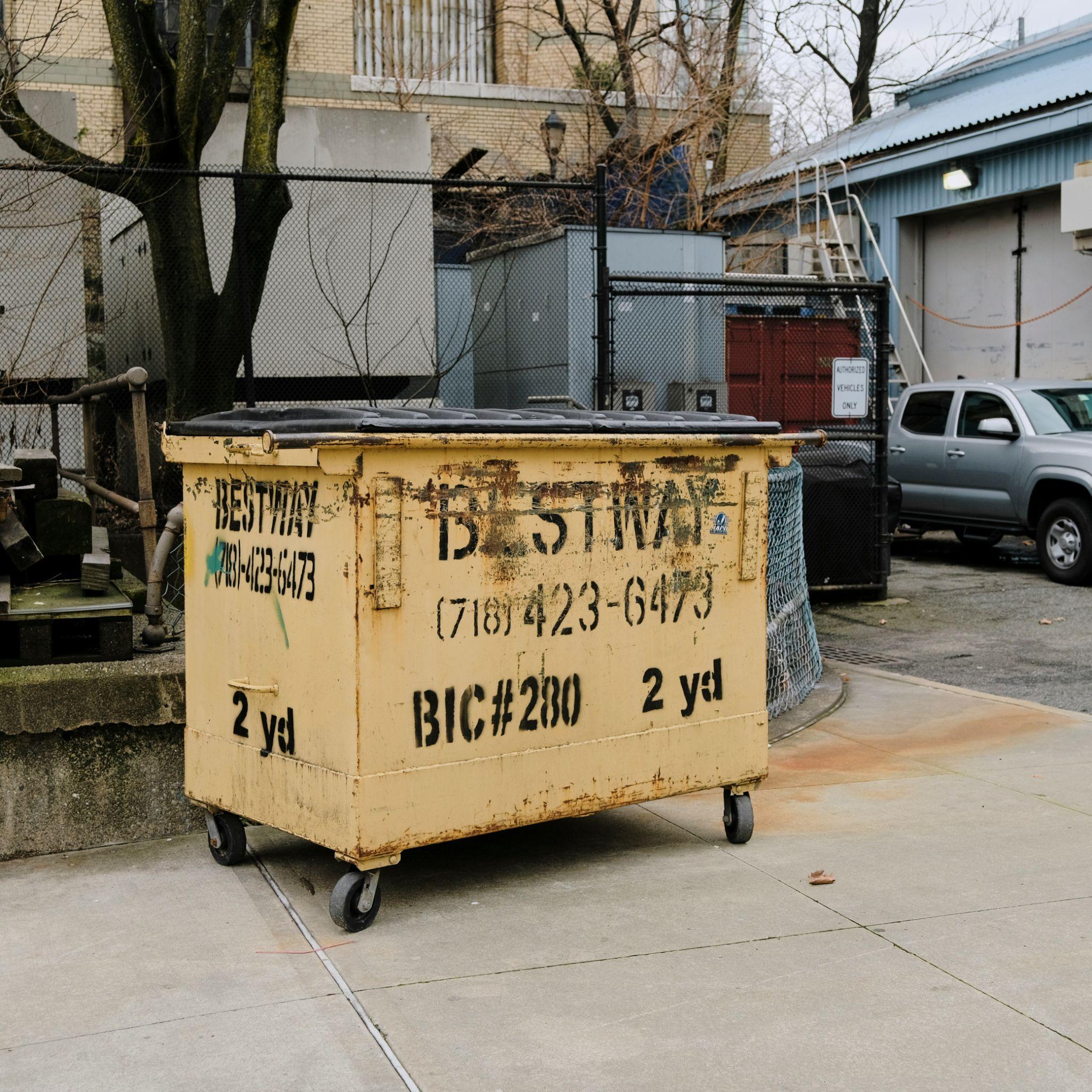
Nobody can predict exactly how much rubbish a project will produce. You can walk through the garage, look at the bathroom or count the items in the shed, but the real volume only shows up once the work begins. That’s normal. Even experienced builders and tradespeople rarely get the first estimate exactly right.
What matters is planning for that uncertainty rather than pretending it isn’t there. A clear-out or renovation has a habit of growing as it goes. A cupboard opened reveals a box, a box reveals three more, and a wall that comes down turns out to hide layers nobody expected. Going into a project with an honest idea that the first guess is probably low is the start of a better plan.
Most underestimates come from a few predictable places. Hidden layers are the first. Old flooring sits on underlay, which sits on subfloor material, and renovation work often reveals more than the visible surfaces suggested. Behind a wall you may find offcuts, old fittings and insulation that all need to go somewhere.
Packaging and offcuts are the second. A new kitchen or bathroom generates boxes, protective sheeting, pallet wood and trimmings from every trade, and the pile can rival the demolition output. Many people forget this stage entirely because it arrives after the big strip-out feels finished.
The third is the extra clear-out. Once the team is working, people often decide to tackle the shed, the spare room or the backyard while the bin is already there. That decision is usually a good one, but it adds volume the original plan didn’t include.
Given that uncertainty, a little extra room is usually the sensible choice. Our skip bin sizes for every project are laid out by job type, from the smaller bins suited to a garage or garden tidy-up through to the larger sizes for full home clean-outs and major renovations. Starting from the category that matches the work, then moving up one size if the project feels bigger than expected, is a practical approach.
The maths favours a slightly larger bin in most cases. A second delivery brings a second booking, a second driveway visit and possibly a second hire period, and each of those adds cost and delay. A bin that turns out to be a little too big costs only the difference in price between two sizes. That’s rarely the expensive option.
The right margin depends on the job. A bathroom refit with light materials can often be handled with a little extra space. A project that involves structural demolition or several rooms at once is worth planning with more room, because the volume tends to build quickly once the work is moving.
Volume is only half the story. Every skip bin has a weight limit, and that limit can be reached long before the bin looks full. Dense materials such as concrete, bricks, tiles and soil are heavy for their size, so a bin filled with them may be at its weight limit while there is still space at the top.
This matters most on projects that combine heavy and light materials. Light timber, plasterboard and packaging fill a bin quickly without adding much weight, while a few loads of tiles or rubble can push the total up fast. If your project includes a lot of masonry or dense material, plan for it separately, either by choosing a bin suited to heavy loads or by keeping those materials apart from the rest.
Weight allowances are shown clearly when you book, along with the excess charges that apply if the limit is exceeded. Checking those figures before the bin arrives means the load can be planned around them, rather than discovered at collection.
Sometimes a bin fills faster than expected, even with careful planning. The most useful step is to contact the team as soon as you realise it’s happening. The earlier you call, the more options there are, and a swap may be possible depending on availability.
Until help arrives, keep the bin as tidy as possible. Load heavy items first, lying flat on the floor of the bin, and break down bulky pieces such as timber frames, flat-pack furniture and cardboard so they take up less room. Avoid piling material above the rim, because an overfilled bin cannot be collected safely.
It also helps to review what’s in the bin. Some items may be better taken to a separate drop-off point, such as paint, chemicals or other materials that need special handling, which leaves more space for the general waste. Keeping a note of what you’ve loaded can make the next booking easier, too.
Planning around uncertainty doesn’t mean expecting the worst. It means building enough margin into the plan that the project can keep moving when the estimate turns out to be a little low. If you’re unsure about the right size for your job, our team can help you talk through the options before you book.
Rising fuel prices and waste disposal costs have increased the cost of our services. Rather than increasing our bin hire prices, we've introduced a small 4.5% surcharge to help cover these additional expenses.
We may review or remove this surcharge as costs stabilise.
Thank you for your understanding and for supporting a local Sydney business.