Up to 10% Off Select Skip Bins - This Month Only
Up to 10% Off Select Skip Bins - This Month Only
Up to 10% Off Select Skip Bins - This Month Only
Up to 10% Off Select Skip Bins - This Month Only

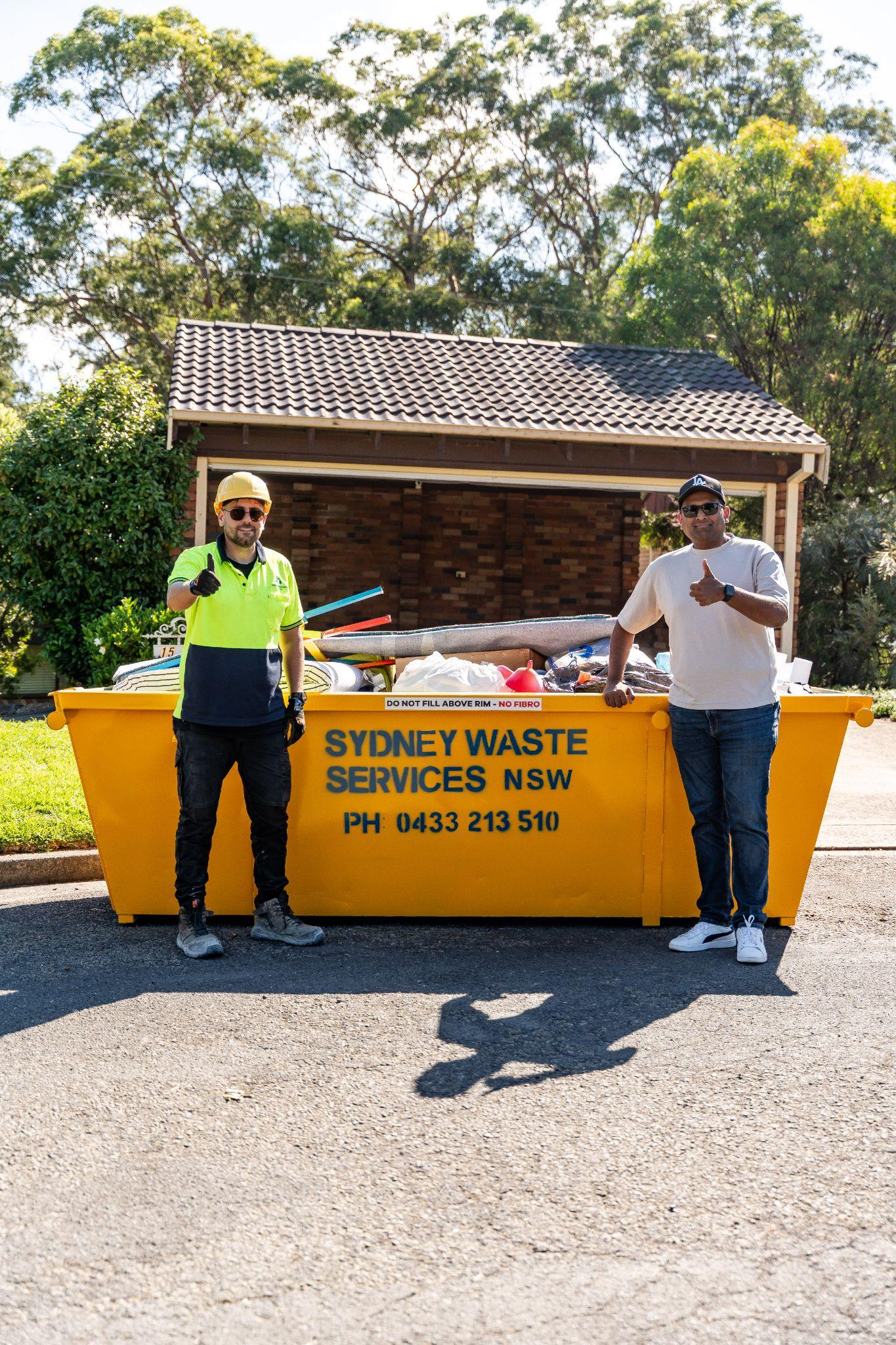
When most people book a skip bin, the first question they ask is what size they need. That’s a reasonable starting point, but it’s only half of the decision. The type of waste being disposed of determines as much about how the hire works, what it costs, and whether the bin can actually be collected as the size of the bin itself.
Waste type affects weight limits, pricing, collection requirements, and in some cases the legal obligations that apply to the disposal process. A bin that’s perfectly sized for the volume of a project can still create problems if the waste inside it doesn’t match what was selected at booking, or if materials that require specialist handling have been mixed into a general waste load. Understanding the distinction between waste categories before loading begins is the kind of preparation that prevents the complications that catch people off guard mid-project.
The connection between waste type and price is the most visible reason waste classification matters at the point of booking, but it’s not the only one. Waste type determines the weight limit that applies to the bin, the processing method used once the bin is collected, and in some cases the compliance obligations that sit with the person disposing of it.
Heavy materials like soil and concrete are priced differently from general waste because they cost more to process and because they reach weight limits faster than lighter materials. A bin selected for general waste but filled with soil will hit its weight limit long before it appears visually full, which triggers an overweight charge that could have been avoided by selecting the correct waste type from the outset. That single misclassification is one of the most consistent sources of unexpected costs in skip bin hire, and it’s entirely preventable with the right selection at booking.
Waste type also determines how the load is handled after collection. General waste, soil, and asbestos all follow different processing pathways, and mixing materials across those categories creates complications at the processing end that responsible providers are set up to avoid by requiring separate bookings for different waste streams.
General waste covers the materials most home projects produce: household rubbish, furniture, timber, plasterboard, renovation debris, green waste, and mixed light construction materials. It suits bathroom renovations, kitchen strip-outs, garage clean-outs, and backyard landscaping jobs where the waste stream is varied but doesn’t include heavy fill material or specialist items.
Bricks and tiles fall under general waste but are denser than most other items in this category. Projects generating large quantities of either can approach weight limits faster than a mixed light load would, so distributing heavier items across the hire period rather than loading them all at once is worth keeping in mind.
What general waste doesn’t cover is equally important. Soil, dirt, and clay must be booked separately. Asbestos requires its own dedicated bin. And materials including batteries, liquid waste, gas bottles, chemicals, medical waste, food and liquids, oil heaters, and synthetic grass are not accepted in any standard bin regardless of waste type.
Selecting quality skip bins matched to the correct waste type from the outset means the load can be collected without complications. A general waste bin containing soil or prohibited materials creates a collection issue that adds costs that the correct initial selection would have prevented.
Soil, dirt, and clay occupy their own waste category for reasons that are practical rather than arbitrary. These materials are significantly denser than general renovation waste, which means they reach weight limits at a fraction of the visual capacity of the bin. A 3m³ bin filled with soil reaches its weight limit long before it looks full, and continuing to load beyond that point produces an overweight bin that incurs additional charges at collection.
Booking a dedicated soil bin rather than attempting to include soil in a general waste load produces a more accurate hire in both size and cost. Soil bins are priced to reflect the weight and processing requirements of that specific material, which means the total cost of the hire is more predictable than one where soil and general waste are mixed and the weight outcome is uncertain.
For construction projects involving significant volumes of concrete, bricks, or fill material alongside lighter renovation debris, understanding the weight implications of each material type before deciding whether to use separate bins or a single larger bin produces a better outcome than discovering mid-project that the bin is overweight and the collection can’t proceed as scheduled.
Asbestos is the waste category that carries the most serious compliance obligations, and it’s the one where getting the classification wrong has consequences that extend well beyond an additional charge at collection. Asbestos-containing materials cannot go into a general waste bin under any circumstances. They require a dedicated asbestos bin, specialist handling, and disposal through licensed channels that meet the regulatory requirements for hazardous waste.
For renovation and demolition projects in older Sydney properties, the possibility of asbestos-containing materials is a genuine consideration that needs to be addressed before any demolition work begins rather than after materials have already been removed. Any material suspected of containing asbestos should be assessed by a licensed specialist before the waste management plan is finalised, and the disposal method confirmed as part of that process rather than improvised once the work is underway.
The asbestos bins available through reputable Sydney providers are specifically designed and licensed for that waste stream, which means the disposal process meets the compliance requirements that apply to hazardous waste handling. Using the correct bin type for asbestos is not optional in the way that some other booking decisions are. It’s a legal requirement, and one that protects both the person disposing of the waste and the community around them.
The waste type decision is most useful when it’s made before loading begins rather than after a complication has already appeared. A bin that arrives on site already matched to the correct waste category for the project produces a hire that runs from delivery to collection without the interruptions that misclassification consistently introduces.
The practical approach is to identify every material type the project will produce before making any booking decisions, match each material to the appropriate waste category, and book accordingly. For projects generating multiple waste streams, that sometimes means separate bins for different material types rather than a single bin for everything. The upfront planning that produces that outcome costs minutes and prevents the kind of mid-project complications that cost considerably more to resolve than they would have to avoid.
Rising fuel prices and waste disposal costs have increased the cost of our services. Rather than increasing our bin hire prices, we've introduced a small 4.5% surcharge to help cover these additional expenses.
We may review or remove this surcharge as costs stabilise.
Thank you for your understanding and for supporting a local Sydney business.